Workify
Designing a trusted marketplace for booking skilled artisans in Canada
Timeline
6 months
My Role
Project Lead & UX/UI Designer
As the project lead, I guided the product from discovery through usability testing and final design. I collaborated closely with the Product Manager, Researcher 2, and Designer 2 while leading the overall UX strategy and design direction.
Responsibilities
Led the UX strategy and design process
Planned and conducted user research
Facilitated affinity mapping and research synthesis
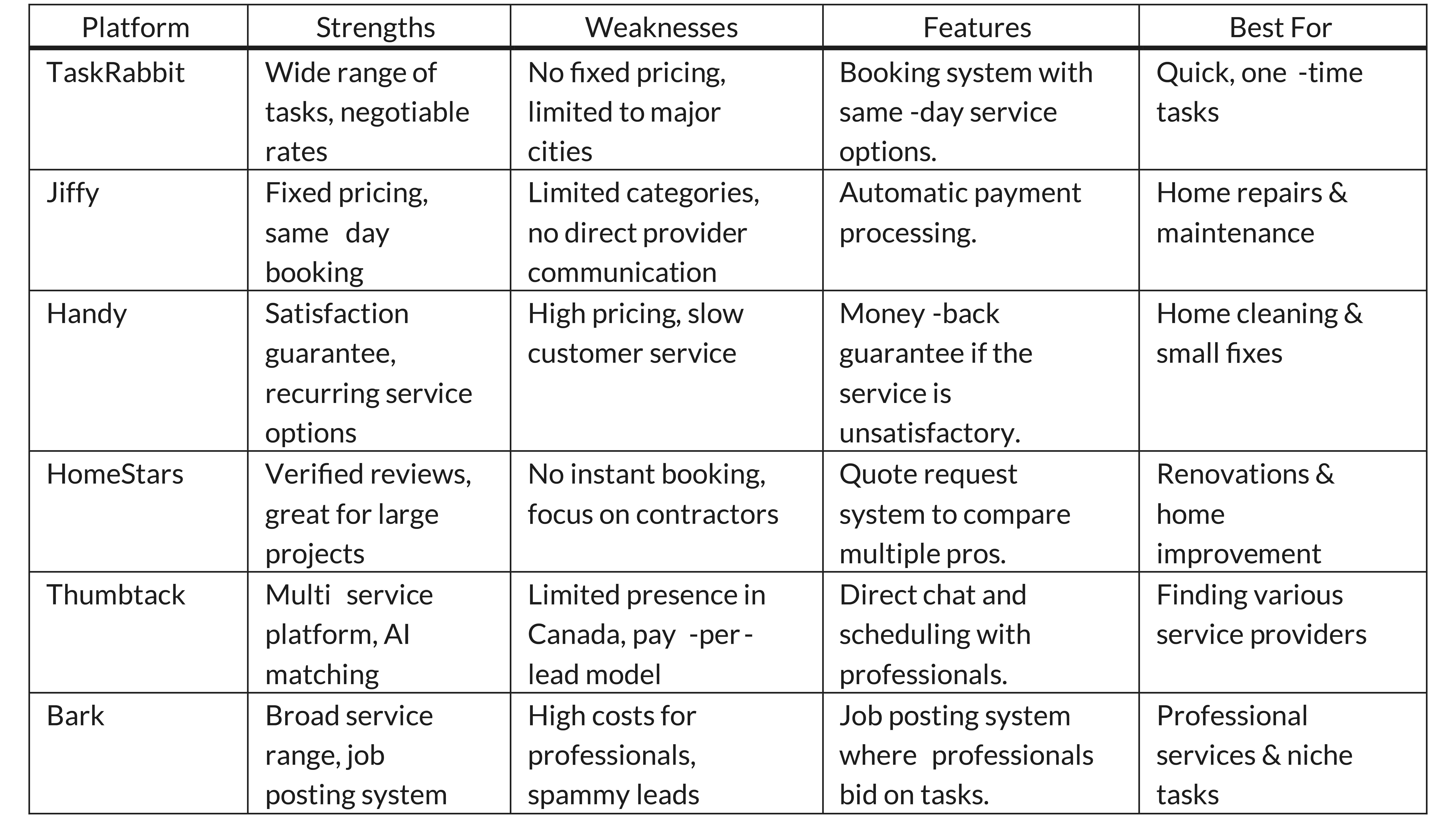
Conducted competitor analysis

Created user personas and user flows
Designed low-, mid-, and high-fidelity wireframes in Figma
Built the design system and reusable components
Planned and facilitated usability testing
Iterated the product based on user feedback
The Challenge
Finding a reliable artisan in Canada is often a frustrating experience. Most people depend on referrals, social media, or Google searches, making it difficult to compare professionals, verify their skills, or confidently book their services.
I led the design of Workify, a mobile platform that simplifies discovering, verifying, and booking trusted artisans while helping skilled professionals connect with more customers.
Understanding the Problem
Before designing any solutions, I wanted to understand the real challenges experienced by both customers and artisans.
I led a mixed-method research process that combined surveys, interviews, and competitor analysis to uncover the motivations, behaviours, and frustrations of our users.
Research Methods
User surveys
One-on-one interviews
Competitor analysis
Affinity mapping
Empathy mapping
Our research focused on two primary user groups:
Customers looking to hire artisans
Artisans seeking new clients
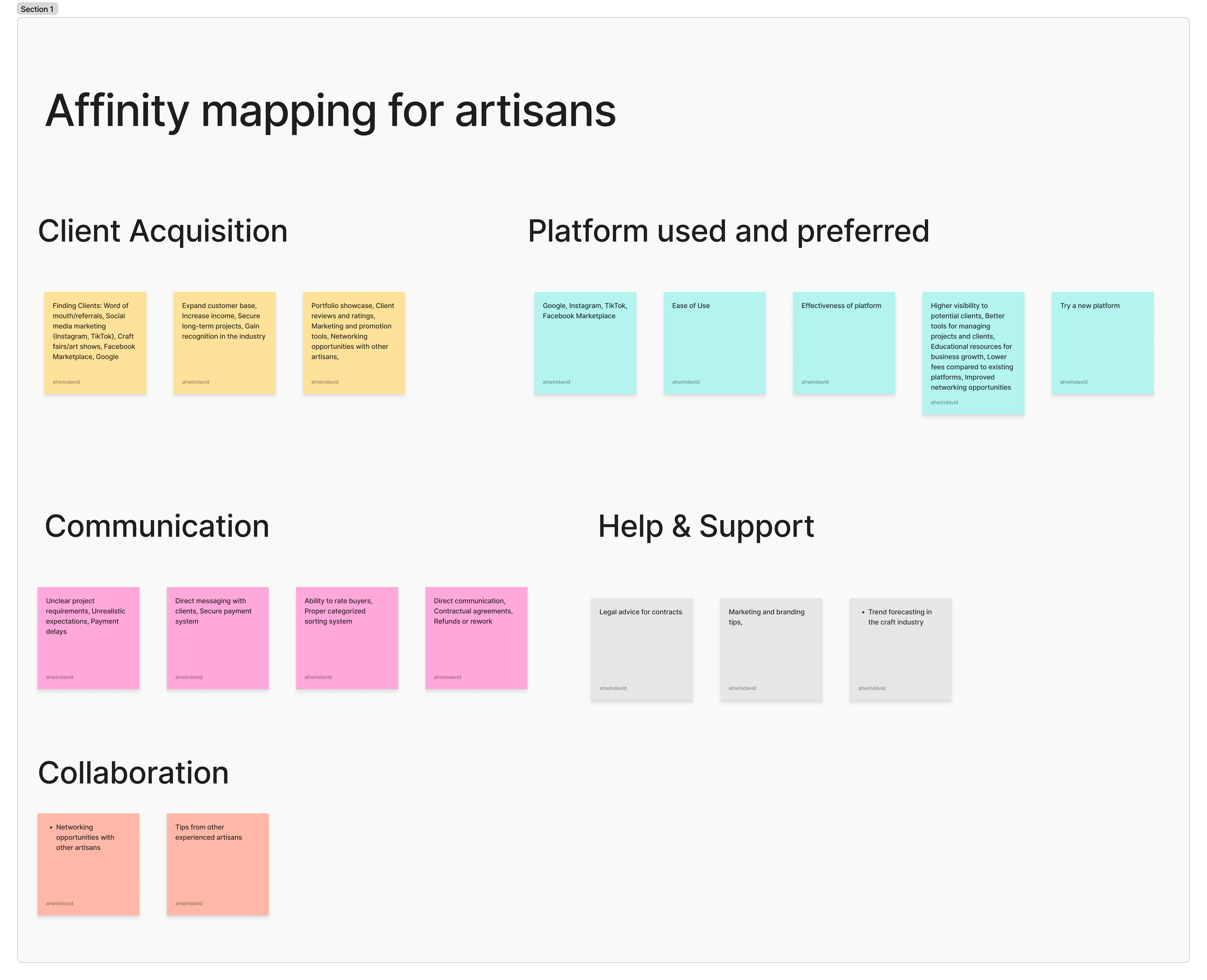
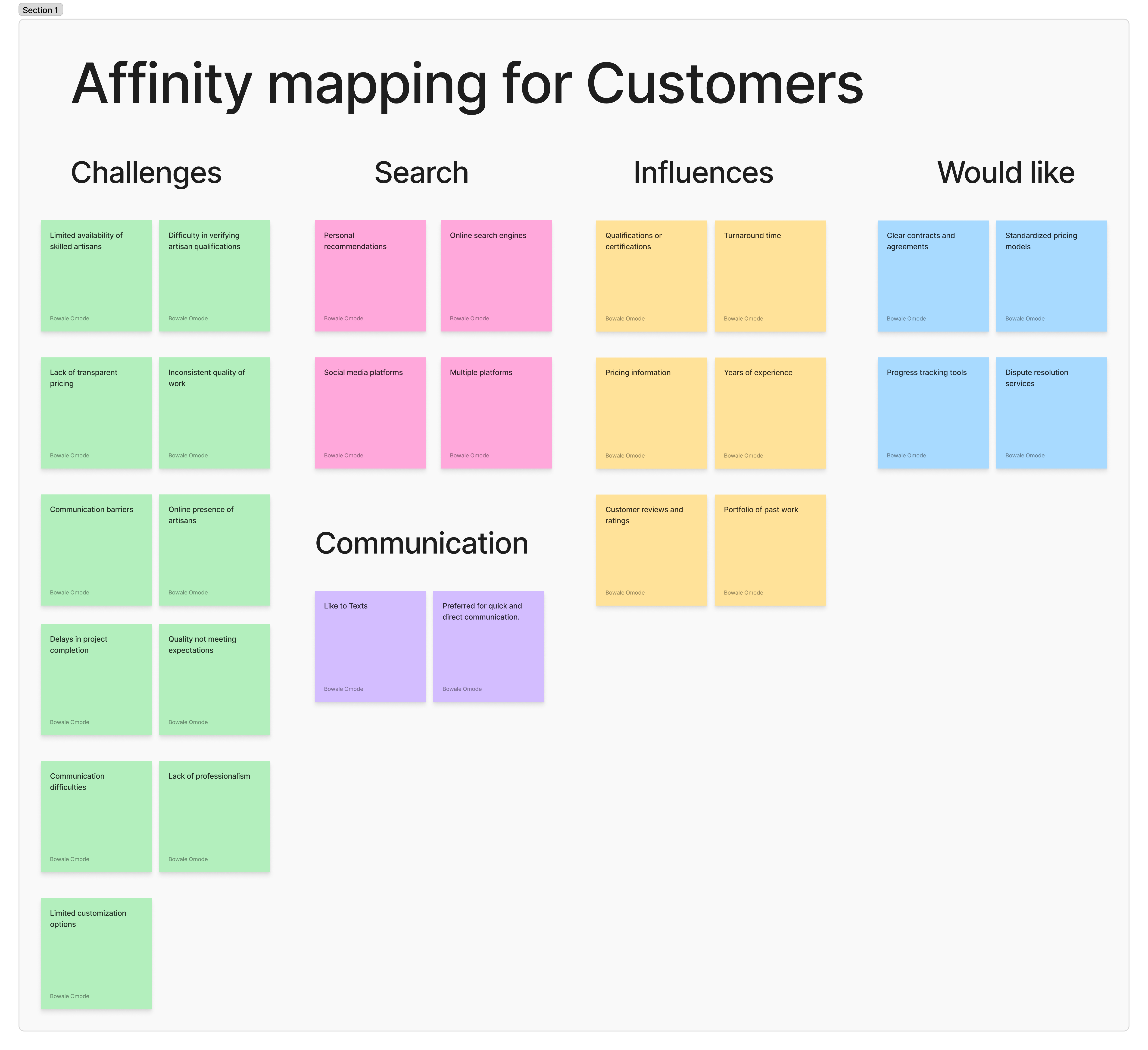
Key Research Insights
After synthesizing the research, four consistent themes emerged.
1. Trust was the biggest barrier.
Users struggled to determine whether an artisan was genuinely skilled and reliable before making a booking.
2. Finding an artisan took too long.
People often relied on referrals or multiple online searches before finding someone they felt comfortable hiring.
3. Scheduling was frustrating.
Users experienced delays, poor communication, and uncertainty around appointment availability.
4. Existing platforms lacked transparency.
Participants wanted verified reviews, certifications, and clearer information before committing to a service.
These insights became the foundation for every design decision that followed.
Competitive Analysis
I evaluated existing marketplace platforms to understand where users were still experiencing friction.
The research revealed several opportunities for differentiation:
Better verification of artisan skills
More transparent customer reviews
Simpler booking workflows
Improved scheduling and conflict resolution
Stronger trust-building features throughout the experience
These opportunities helped shape Workify's core value proposition.
Defining the Users
Using the research findings, I created personas representing both customers and artisans.
These personas helped prioritize features, validate design decisions, and ensure the product addressed the needs of both sides of the marketplace throughout the design process.
Designing the Solution
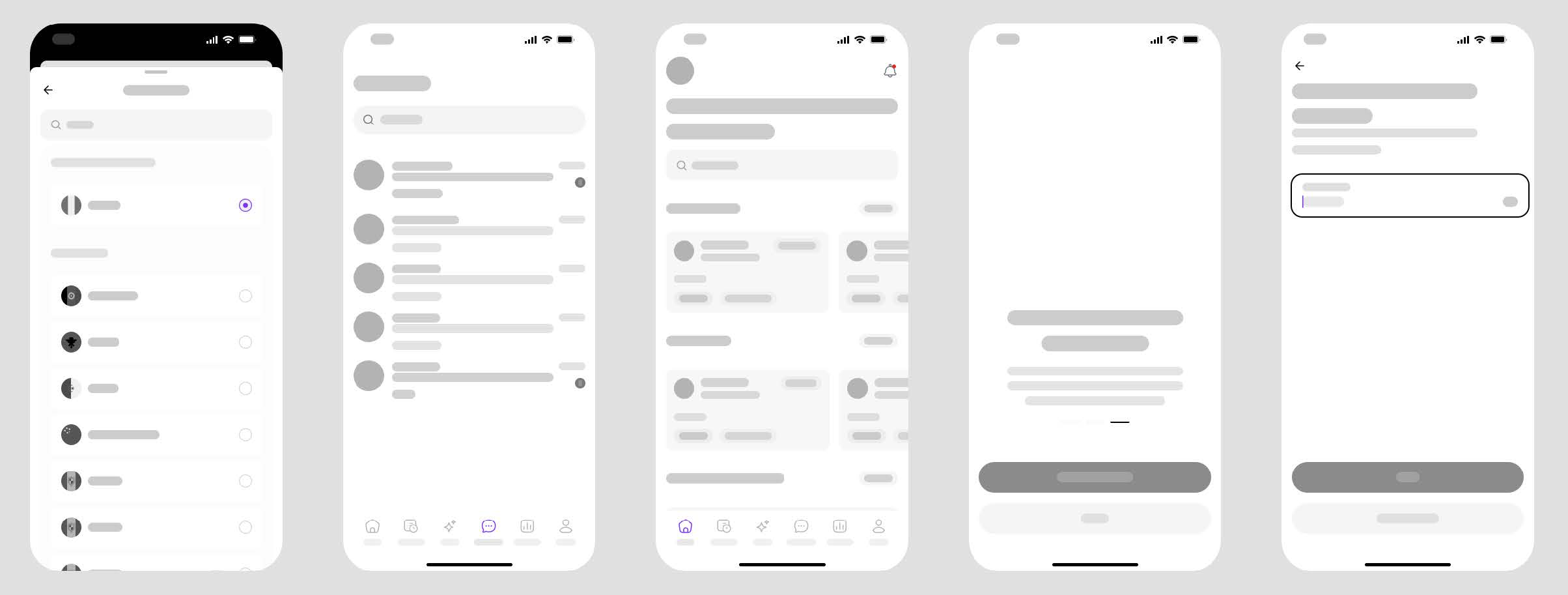
With a clear understanding of the users, I translated research insights into wireframes before progressively refining them into high-fidelity designs.
The design process moved through three stages:
Mid-fidelity prototypes
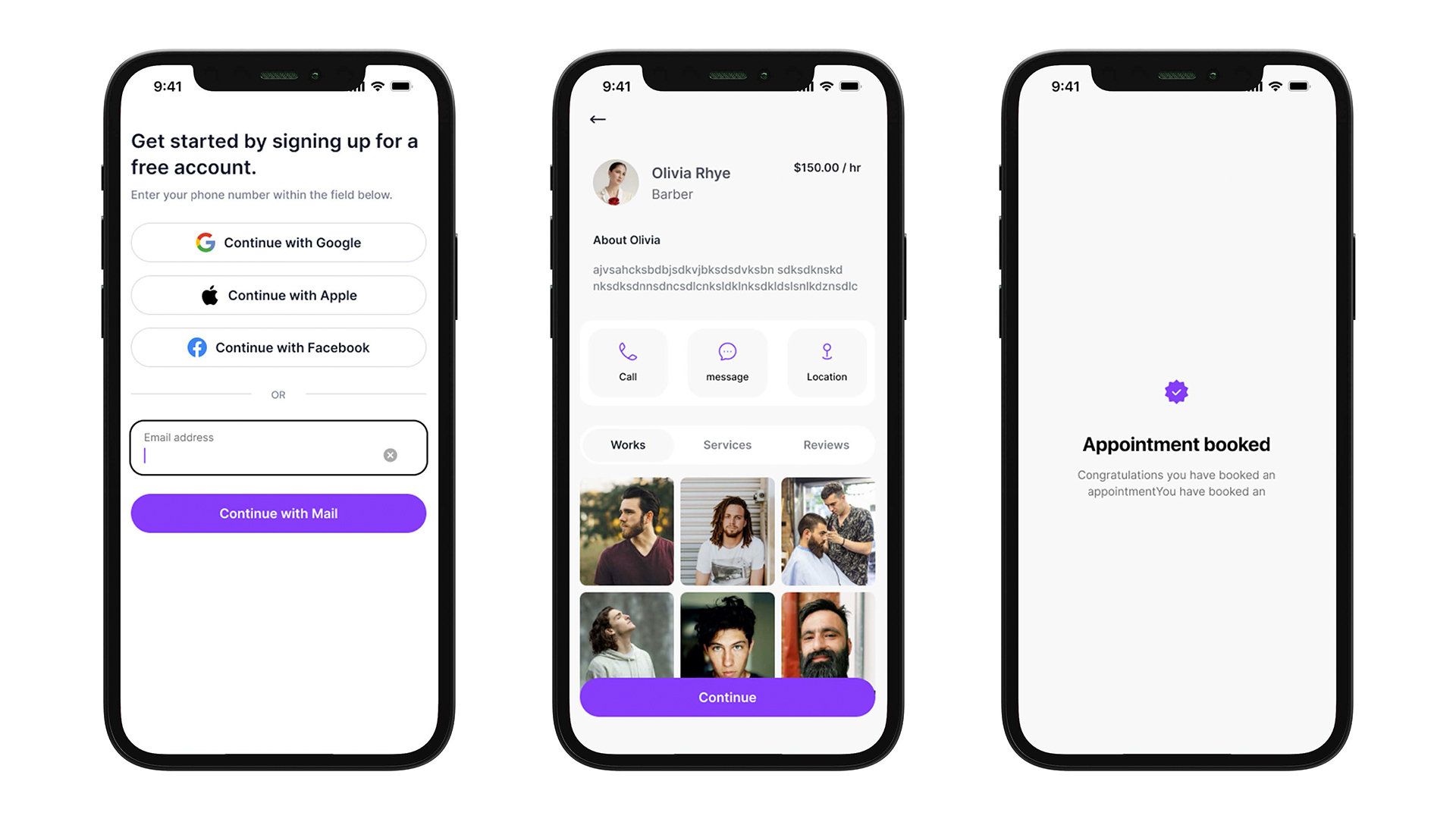
High-fidelity interface design
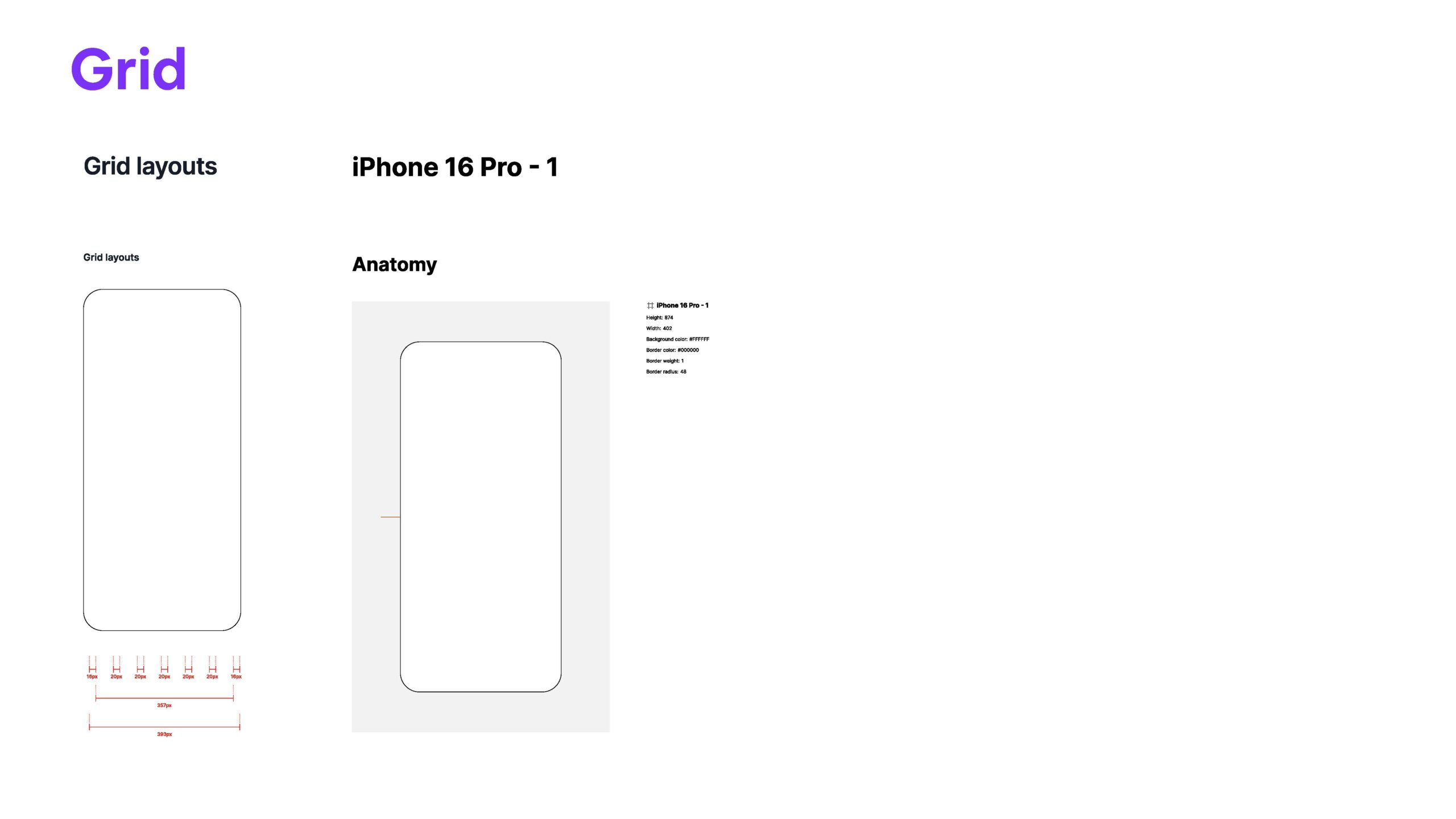
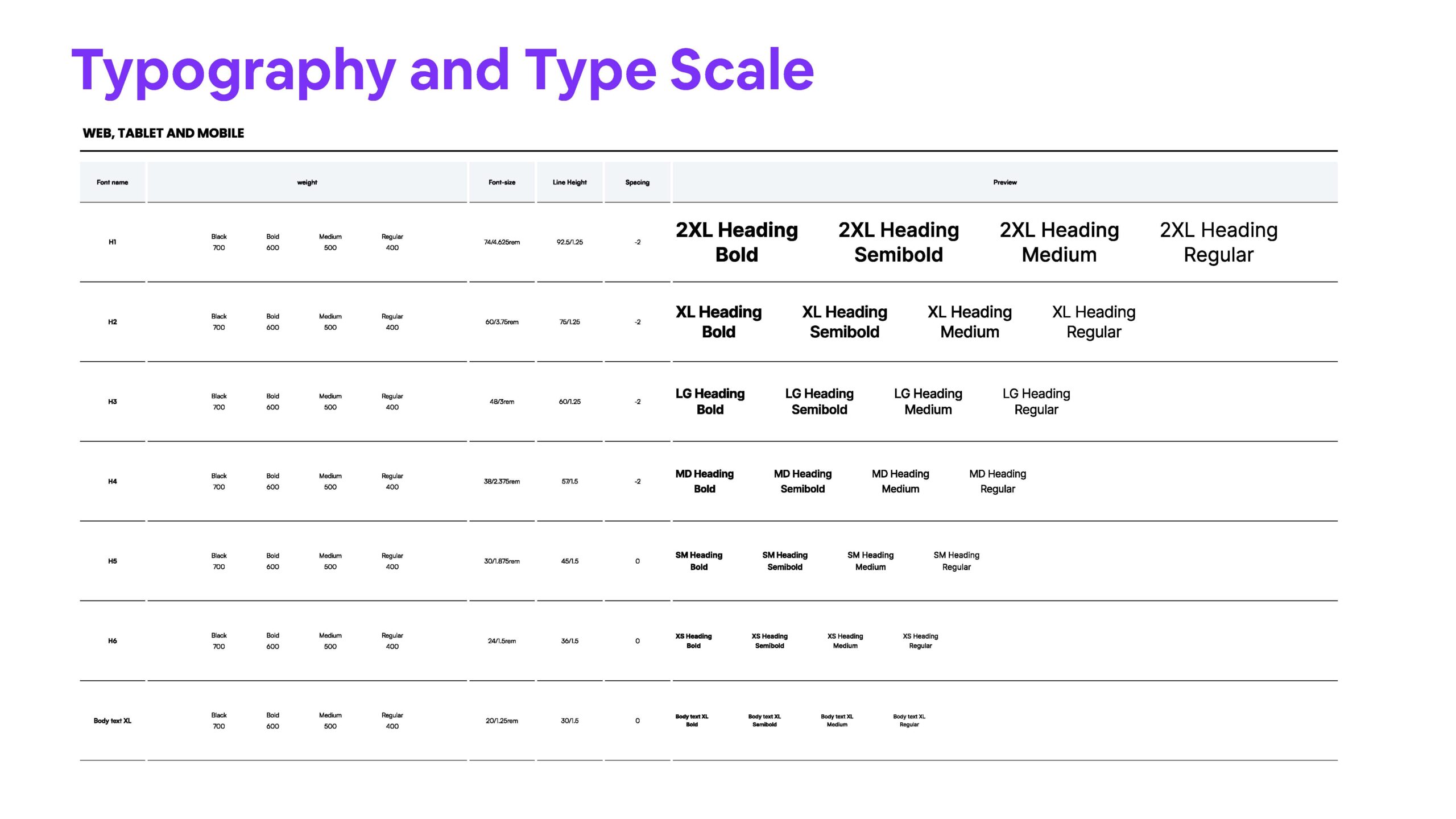
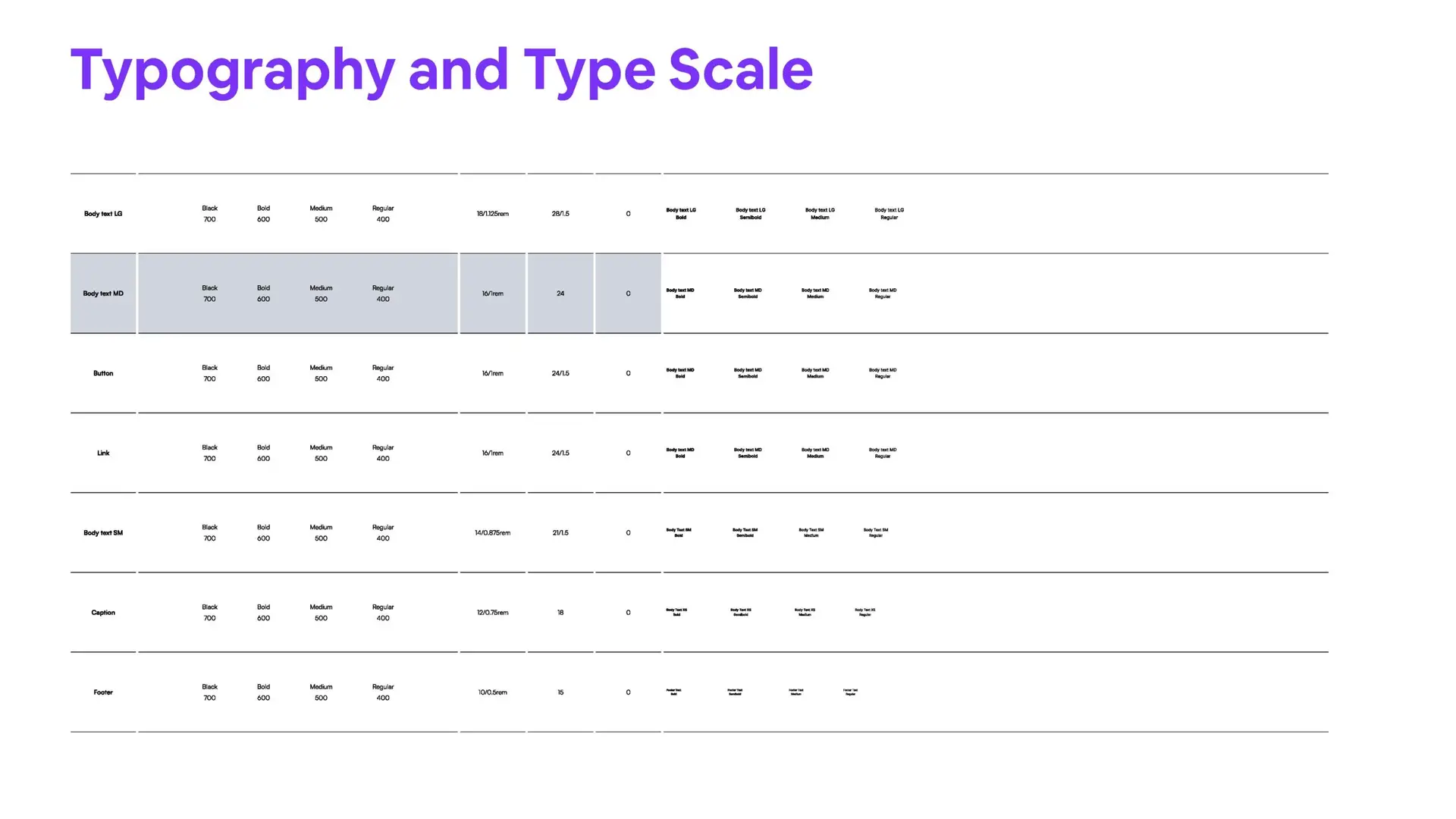
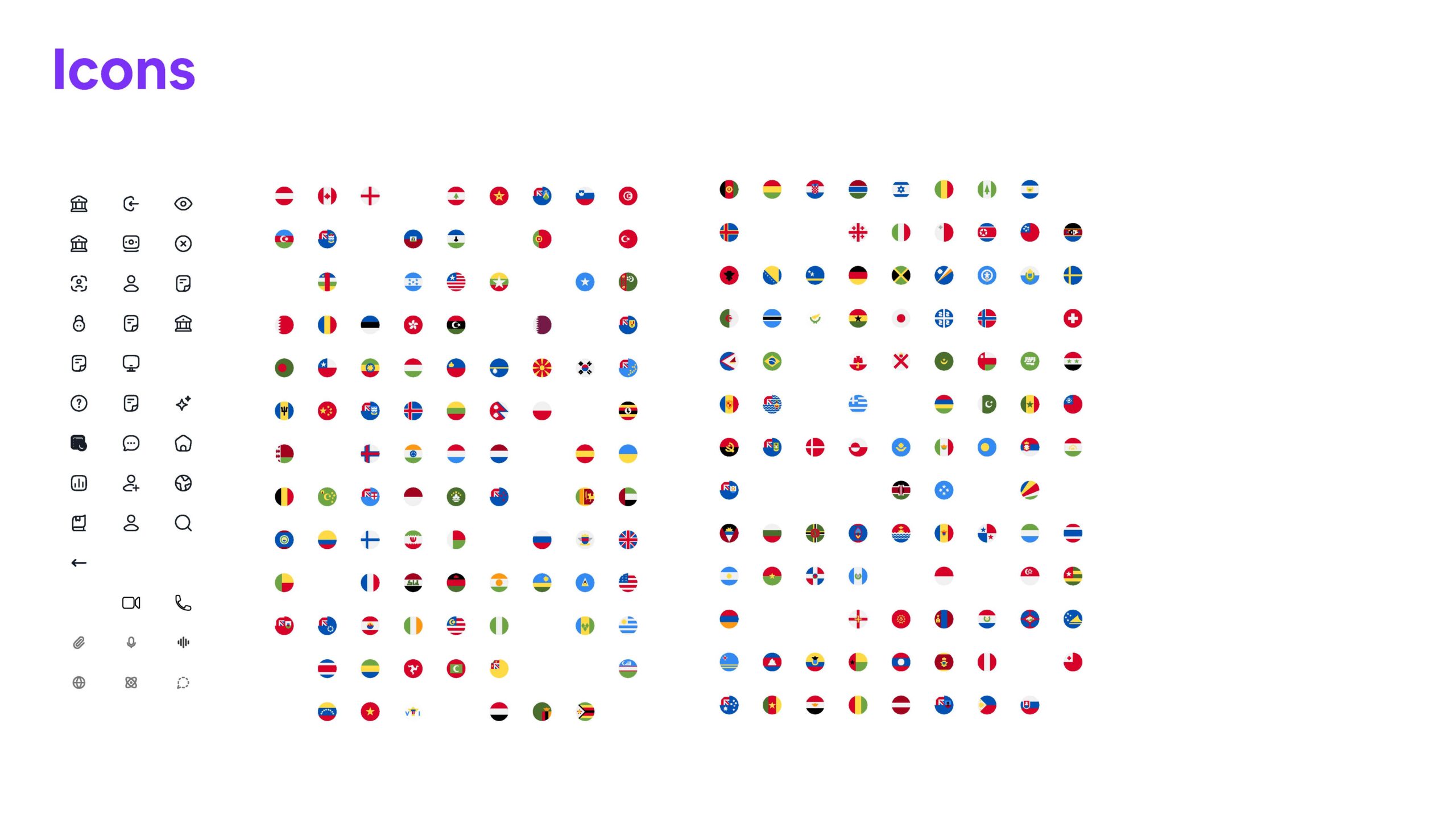
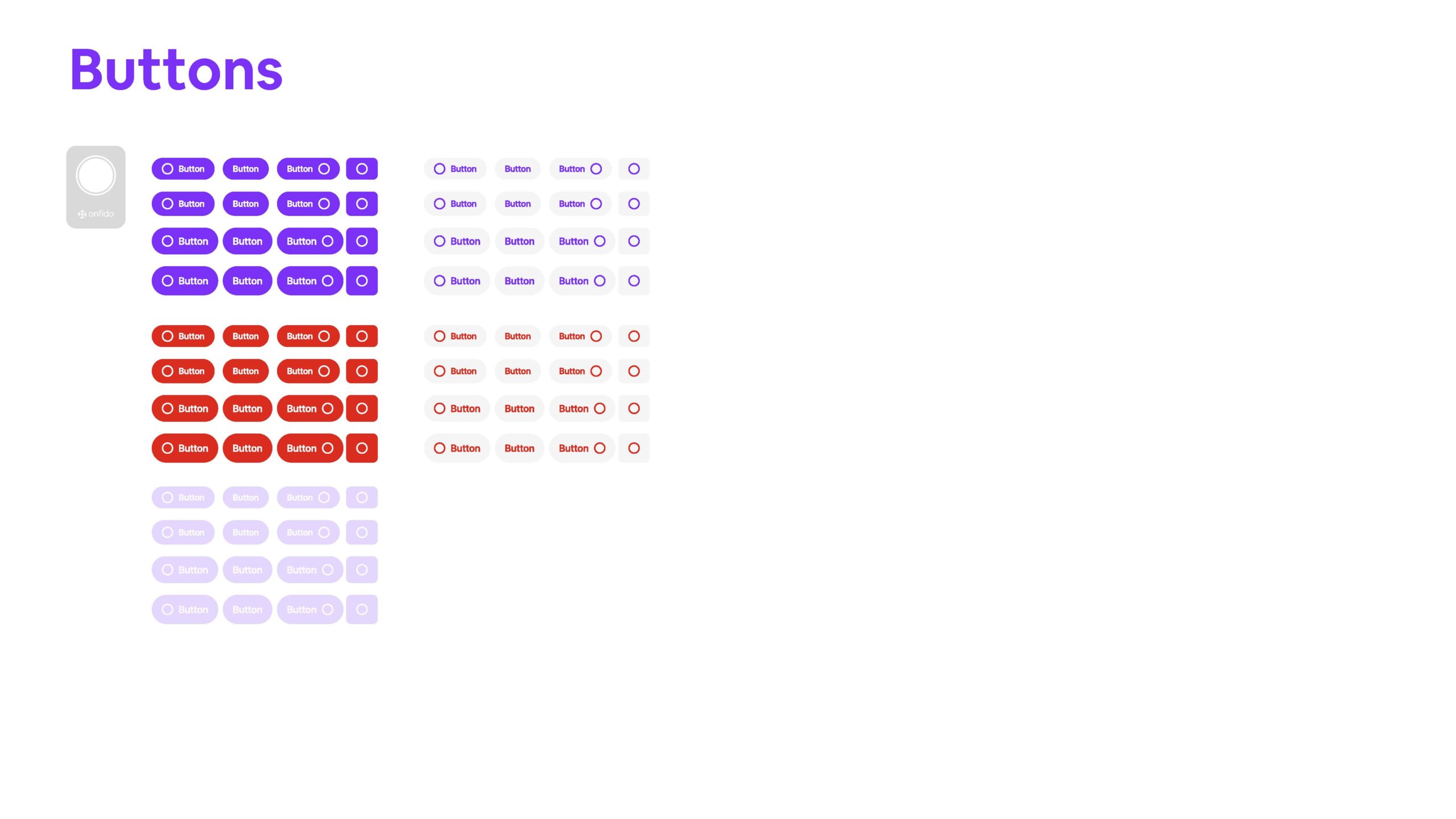
Alongside the interface, I created a scalable design system in Figma that included reusable components, typography, colour styles, spacing, and interaction patterns to maintain consistency across the product.
Purple was selected as the primary brand colour to create a distinctive visual identity while maintaining accessibility and clarity.
Usability Testing
To validate the design, I conducted moderated usability testing with five participants representing both customers and artisans.
Participants completed realistic tasks including:
Creating an account
Searching for an artisan
Booking a service
Messaging an artisan
Throughout the sessions, I observed user behaviour, documented pain points, and collaborated with the team to prioritize improvements.
What I Learned
Testing confirmed that users understood the overall concept and appreciated the clean interface, but several usability issues became clear.
The most significant findings included:
The onboarding process felt longer than necessary.
Users struggled to navigate back through key booking flows.
Booking interactions lacked clarity.
Users expected the ability to cancel bookings.
Prototype responsiveness occasionally reduced confidence during interactions.
These findings helped identify where the experience could be streamlined before moving forward.
Design Iterations
Based on user feedback, I prioritized improvements that reduced friction and increased user confidence.
The final design included:
A shorter onboarding experience
Back navigation across key user flows
Booking cancellation functionality
Improved navigation consistency
Better prototype responsiveness and interaction behaviour
Each iteration was directly informed by usability testing rather than assumptions, resulting in a smoother and more intuitive booking experience.
Reflection
Leading Workify reinforced the importance of validating design decisions with real users instead of relying on assumptions.
By combining user research, competitive analysis, and iterative usability testing, I identified trust and scheduling as the two biggest barriers to hiring artisans. Those insights guided the product from discovery through implementation and helped shape a more intuitive, transparent, and user-centred booking experience.
Beyond improving the product, this project strengthened my ability to lead collaborative design efforts, facilitate research synthesis, and translate complex user needs into practical, accessible design solutions.